What Is Chikankari Lawn? A Complete Guide for UK Buyers

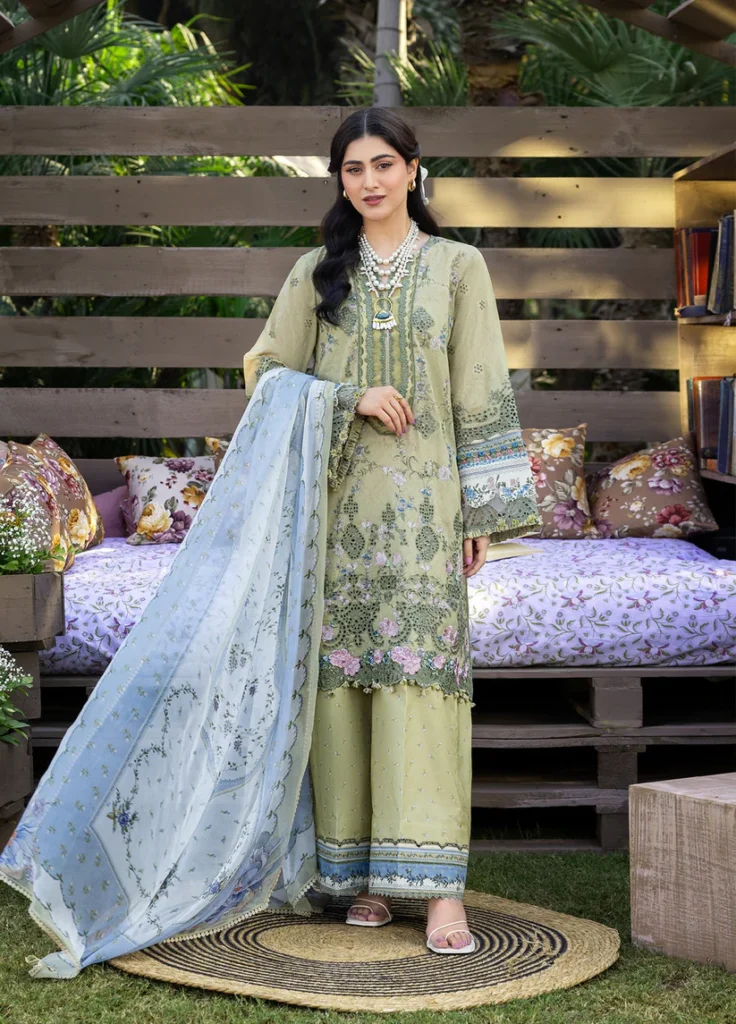
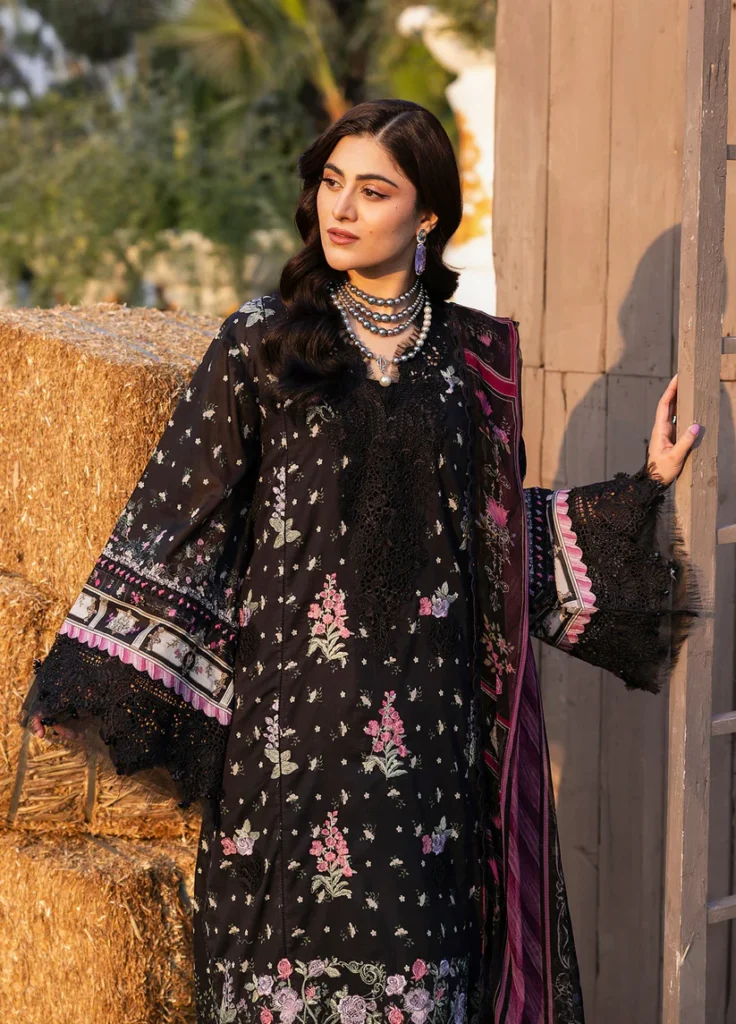
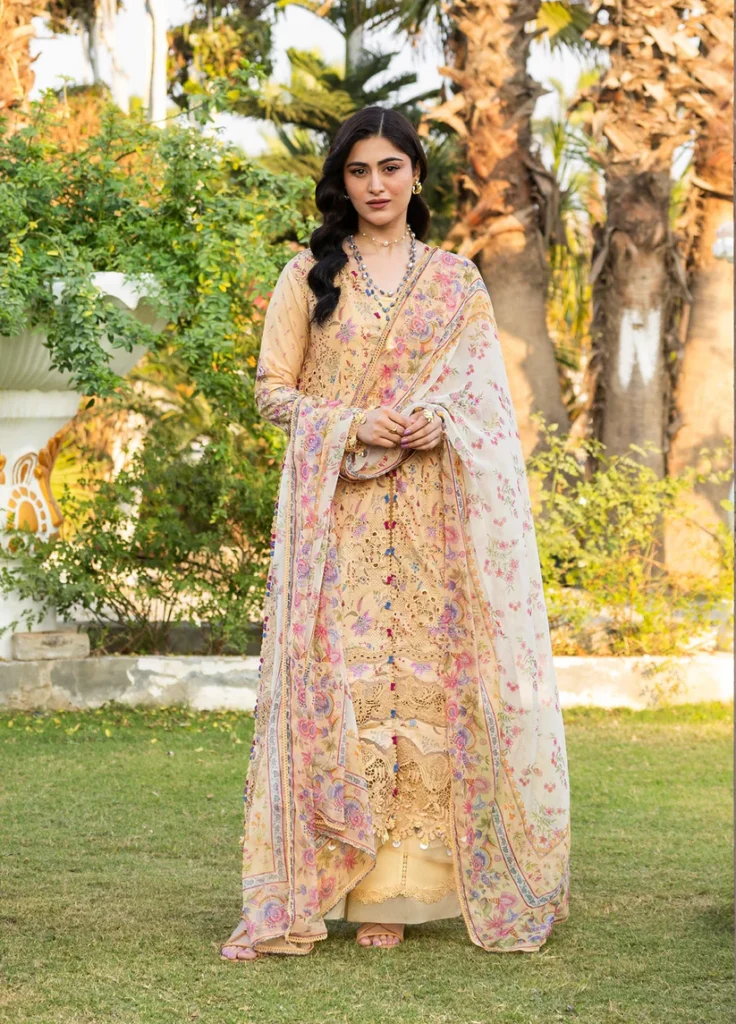
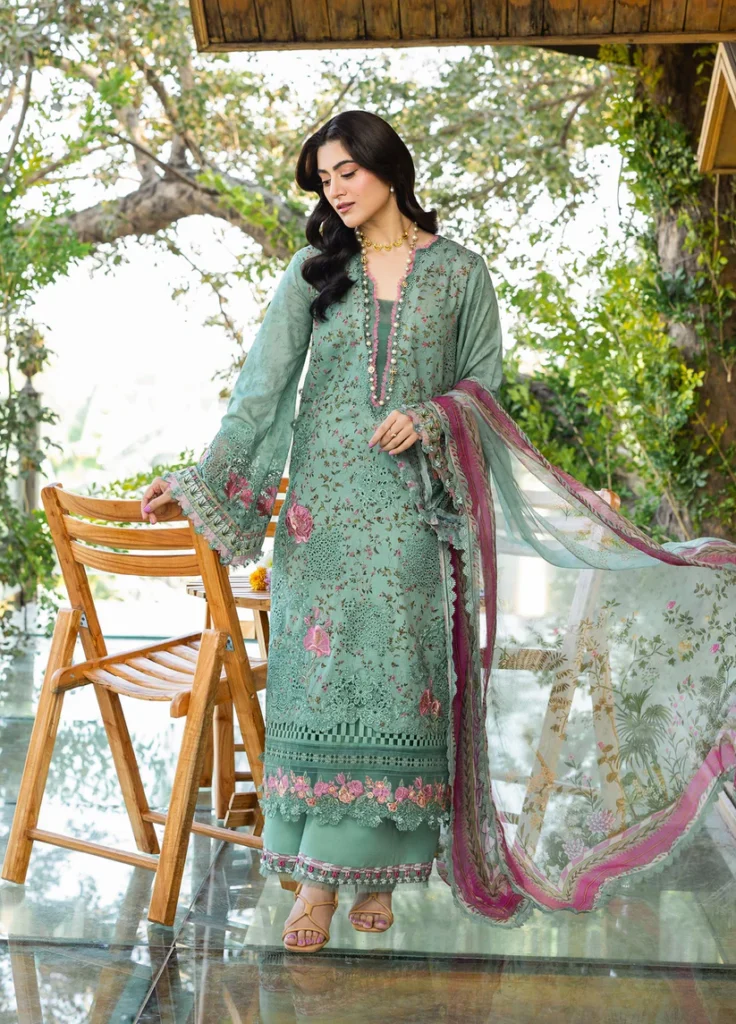
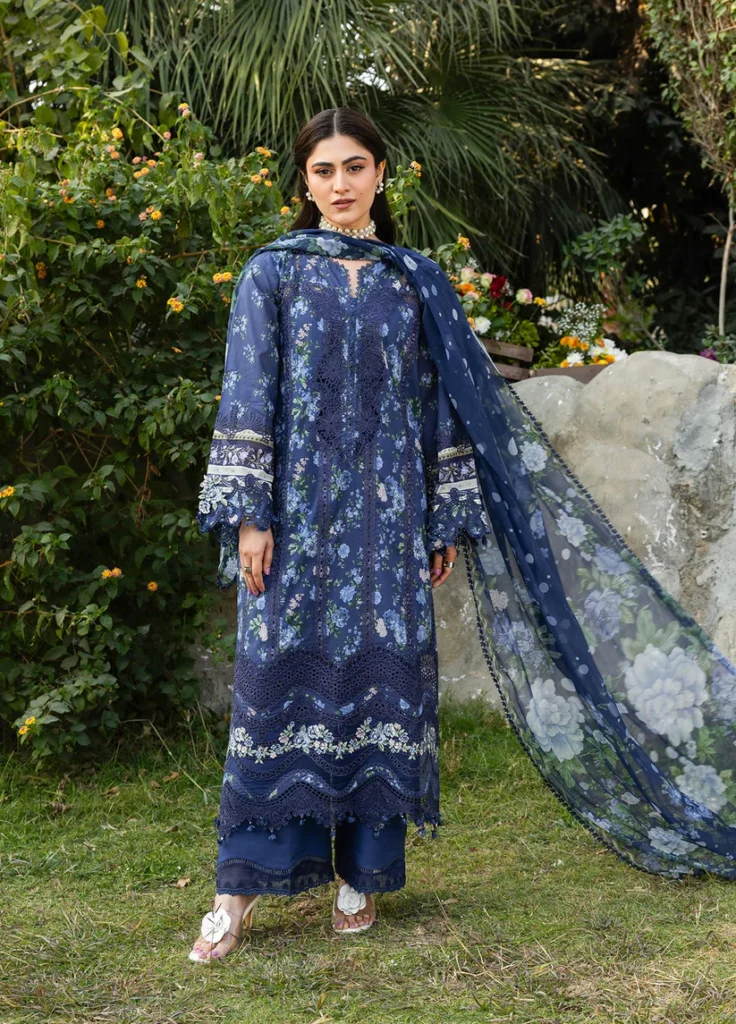
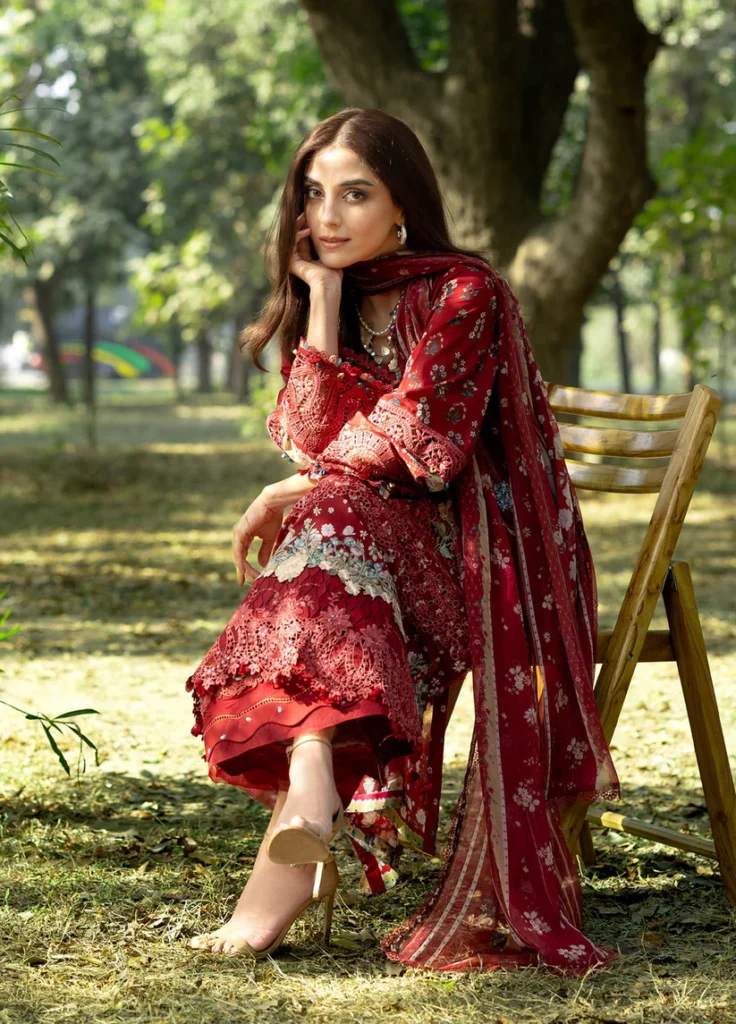
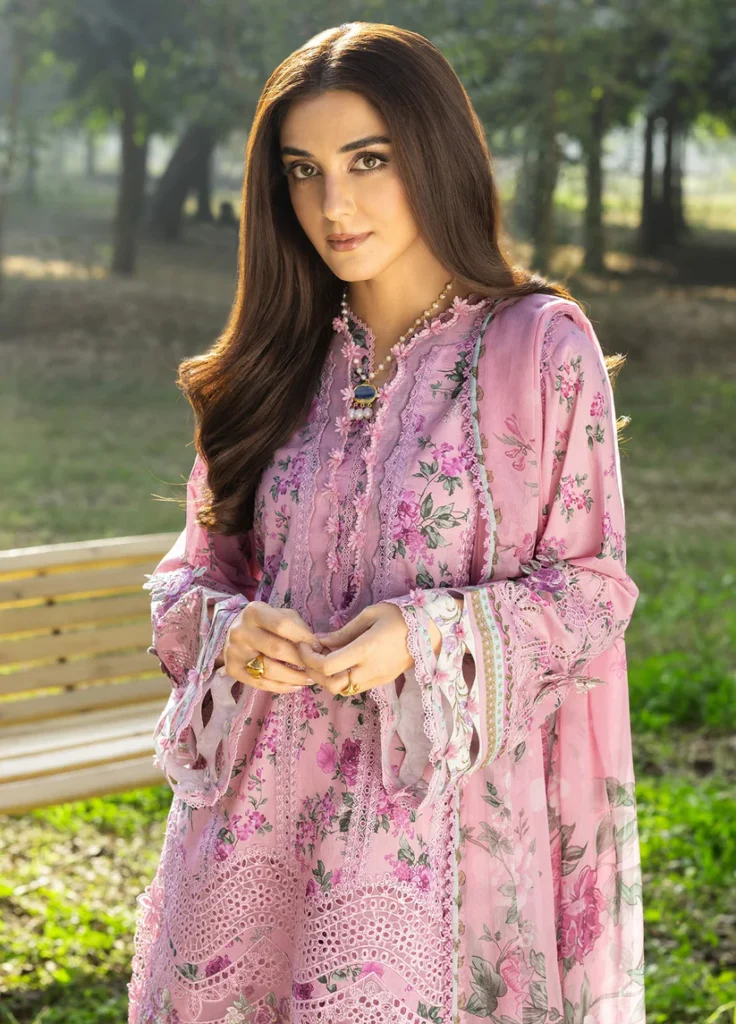
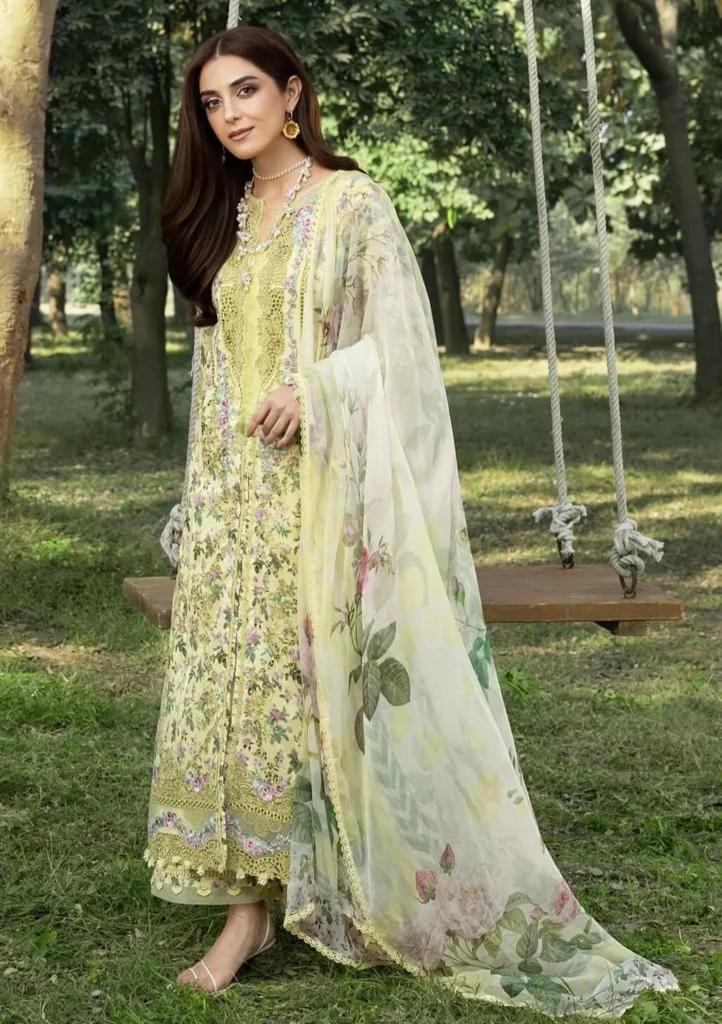
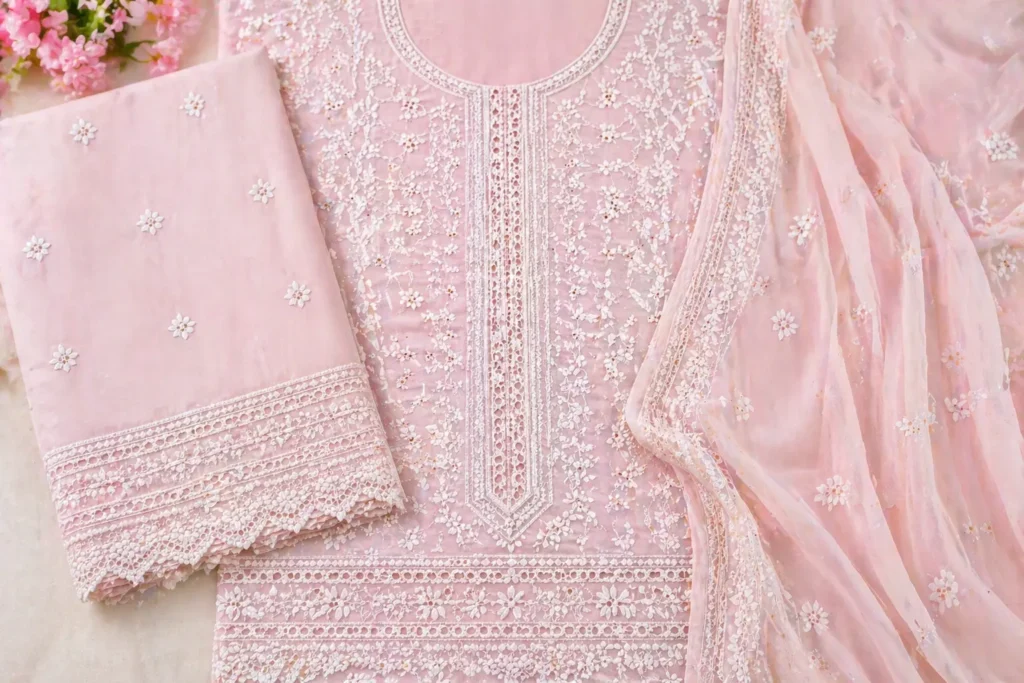
what is chicken kari lawn. pink chicken kari lawn suit with shirt, slawar and dupatta.

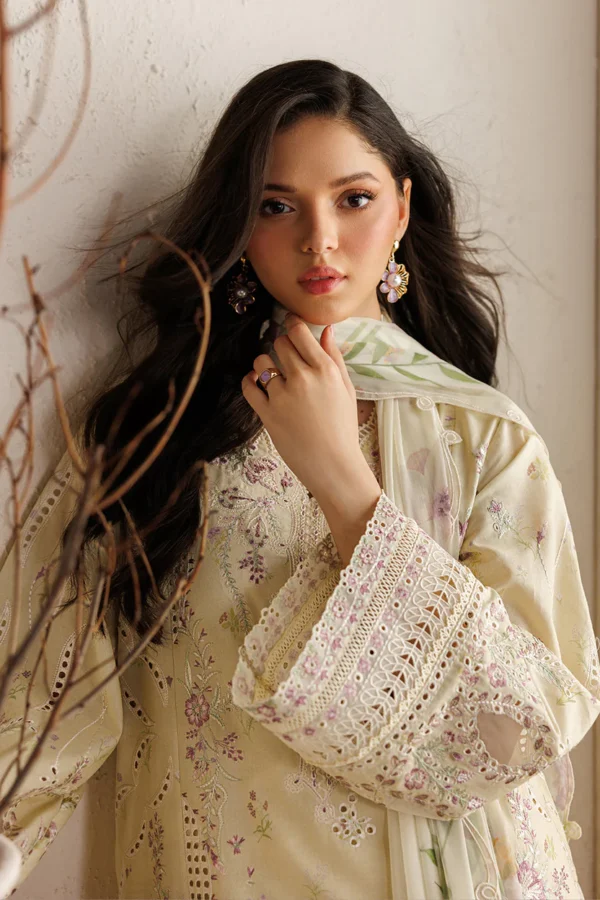
Chikankari lawn is a type of fine cotton fabric decorated with hand embroidery using a needle and thread technique that dates back more than four hundred years. The word chikankari comes from the Persian chikan, which means delicate needlework. On lawn cotton, this embroidery creates a raised, textured finish that you can see and feel, which is what sets it apart from every other type of Pakistani summer fabric.

The UK is home to over 1.6 million British Pakistanis, according to the 2021 Census, making it the largest Pakistani community in Europe. For this community, seasonal lawn collections are not just a shopping habit. They are a cultural ritual, tied to Eid, weddings, and family gatherings that happen every spring and summer.

Pakistani fashion searches in the UK increased by 36 percent annually according to Google Trends data, and chikankari sits right at the heart of that growth.

Where Does Chikankari Come From

The craft traces its most celebrated chapter to Lucknow, the capital of the Awadh region in northern India, during the Mughal era. Most historians credit Empress Nur Jahan, wife of Emperor Jahangir who reigned from 1605 to 1627, with bringing Persian white-on-white embroidery techniques to the Mughal court. Her patronage turned a decorative craft into a refined art form. Jahangir himself supported the growth of chikankari by establishing artisan workshops, and after his reign, the Nawabs of Awadh continued to nurture the craft as a symbol of Lucknowi elegance and refinement.

For centuries the embroidery was done on fine muslin fabric, often sourced from Dhaka, with white thread on a white or ivory base. The restraint of the palette meant the quality of the stitching had to speak for itself. That discipline is still visible in premium Pakistani chikankari collections today.

In 2008, Lucknowi chikankari received Geographical Indication (GI) status from India’s Geographical Indication Registry, formally recognising Lucknow as the exclusive home of authentic traditional chikankari. However, the craft crossed borders long before any official recognition. After the partition of India in 1947, Pakistani artisans and textile manufacturers developed their own chikankari tradition, combining the embroidery technique with locally produced lawn cotton to create what is now known worldwide as Pakistani chikankari lawn.

What Makes Lawn the Right Fabric for Chikankari

Lawn is a plain weave cotton fabric with a high thread count and a semi-sheer finish. The word itself comes from Laon, a city in France where the weave was first produced using linen. During British rule in India, cotton replaced lawn and the fabric found its way into South Asian summer wardrobes, where it has stayed ever since.

For embroidery work, lawn has two important qualities. It is lightweight enough that even dense needle work does not make the garment heavy to wear. And its tight, smooth weave gives artisans a clean surface to work on, so stitches sit evenly without the fabric puckering or distorting.

From a comfort perspective, lawn cotton is breathable and moisture-absorbent, which makes it one of the most practical fabrics for warm British summers. Lawn suits remain cool from April through to September, which covers the UK’s main Eid and wedding season.

 Lawn suits account for 58 percent of summer wardrobe purchases in Pakistan, according to the Fashion Pakistan Council. (Salenmore UK, 2024). In the UK, unstitched lawn collections dominate summer Pakistani fashion sales, with London and Birmingham listed as the top two cities for sales volume

How Chikankari Embroidery Is Made

The process begins with block printing. A wooden block dipped in washable ink is pressed onto the fabric to transfer the pattern outline. Artisans then follow these outlines with needle and thread, working different stitch types into different areas of the design. Once the embroidery is complete, the fabric is washed to remove every trace of the printed pattern, leaving only the clean thread work behind.

This is what makes genuine chikankari immediately identifiable: the back of the fabric shows the stitching clearly, and the pattern was never printed on in any permanent sense. Chikankari is not printing with decorative stitches added on top. The embroidery is the design.

There are 32 recognised chikankari stitches, with approximately 36 in use across different regional and brand styles. Each stitch creates a different visual and textural effect. The main stitches you will see on a Pakistani chikankari lawn suit are:

According to heritage researchers, around 90 percent of chikankari work worldwide is still done by women artisans. The craft is not just a fashion technique. It has been an economic livelihood for women in Lucknow and surrounding regions across generations.

How Pakistani Chikankari Lawn Suits Are Put Together

A standard Pakistani chikankari lawn suit sold in the UK comes as an unstitched 3-piece set. The three pieces are a lawn cotton shirt with chikankari embroidery on the front panel, daman border, and neckline, a dyed cambric or lawn trouser fabric, and a dupatta in chiffon or voile with an embroidered or printed border.

The shirt fabric is usually around 1.65 metres per panel, with the dupatta measuring approximately 2.5 metres. These measurements allow a tailor to cut the shirt to any size and style, from a classic straight-cut kameez to a modern A-line or flared design. This is the main reason unstitched suits have remained so popular in the UK. Pakistani tailors in Birmingham, Bradford, London and Manchester can finish the suit to your exact measurements in a way that ready-to-wear simply cannot match.

What to Look for in a Quality Chikankari Lawn Suit

Not all chikankari is equal. Some collections use heavy machine schiffli embroidery that mimics the look of chikankari but lacks the raised, organic texture of genuine needle work. Here is what separates a quality piece from a cheaper imitation:

  • Run your fingers across the embroidery. Real chikankari has a slight raised feel. Flat stitching that lies completely flush with the surface is usually machine schiffli or a printed simulation.
  • Check the back of the fabric. In genuine chikankari, you will see the thread clearly on the reverse side because it was stitched through, not printed on.
  • Look at the motifs closely. Traditional chikankari uses floral patterns, vines, paisleys, and geometric repeat motifs drawn from Mughal architectural and garden design. Fine, consistent spacing between stitches is a sign of quality artisan work.
  • Consider the dupatta. Premium chikankari suits pair the embroidered shirt with an organza or chiffon dupatta that has a stitched or block-printed border, not a simple hemmed edge.
  • Buy from an authorised stockist. Original branded collections like Elaf Premium chikankari lawn come with brand tags and official packaging. Replicas and copies are common in both online and physical markets.

Is Chikankari Lawn Suitable for UK Weather

The short answer is yes. British spring and summer temperatures between April and September are well within the comfort range of lawn cotton. The fabric is not designed for winter, but on a warm Eid day in Birmingham or a July garden wedding in Manchester, chikankari lawn is one of the most practical formal options available.

The one consideration for the UK is damp or unpredictable weather. Lawn can feel cool when wet. If you are attending an outdoor event where rain is possible, a light shawl or cardigan works well with most chikankari designs because the earthy and pastel tones common in collections like Elaf Premium blend naturally with neutral knitwear.


How to Care for a Chikankari Lawn Suit

The embroidery is the most delicate part of the garment. A few care habits will keep your suit looking fresh for years:

  • Hand wash in cold water with a mild detergent, or use a machine on the delicate setting at 30 degrees.
  • Do not wring the fabric. Press the water out gently and lay flat or hang to dry away from direct sunlight.
  • Iron on the reverse side of the embroidery, not directly on the stitching. A pressing cloth between the iron and the embroidery gives extra protection.
  • Dry cleaning is the safest option for heavily embroidered pieces or for suits you want to keep in excellent condition for multiple seasons.
  • Store in a cotton bag, not a plastic cover. Lawn cotton needs to breathe.

Where to Buy Original Chikankari Lawn in the UK

Zee Collections stocks a curated selection of chikankari lawn suits from original Pakistani designer brands. If you are specifically looking for the Elaf Premium Chikankari Lawn 2026 collection, it includes 16 unstitched 3-piece suits in a nature-inspired palette with fine chikankari needle work, chiffon dupattas, and dyed cambric trousers. All stock is 100 percent original and ships from our UK warehouse with free delivery across the UK and Europe. You can also browse the full summer lawn collection or the Eid collection to see everything available this season.

FAQs

Is chikankari lawn the same as embroidered lawn?

Not exactly. All chikankari lawn is embroidered, but not all embroidered lawn is chikankari. Chikankari refers specifically to the needle stitch technique originating from Lucknow and the Mughal era. Other embroidered lawn suits might use schiffli machine embroidery, resham thread work, or zari. Chikankari has its own distinct look from specific stitch types like bakhiya, murri, and phanda.

Yes. Lighter chikankari designs with minimal needle work on the front and a simple cotton dupatta work perfectly for everyday wear, office days, or casual visits. Reserve the heavily embroidered 3-piece suits for Eid and formal occasions.

The embroidery process takes days of skilled artisan work per suit. Printed lawn is produced in hours using digital printing machines. The difference in production time, skill, and materials is reflected directly in the price. A genuine chikankari suit from an original Pakistani brand in the UK typically costs between £45 and £80, while a printed lawn equivalent from the same tier of brand ranges from £25 to £50.

Turn the fabric over. Genuine chikankari shows clear thread work on the reverse side because the stitching goes through the fabric. If the back looks clean and identical to the front with no visible thread, the embroidery may be a print or a heat-transferred simulation. Buying from an authorised UK stockist like Zee Collections removes this risk entirely.