
- ALIZEH
- Baroque
- Charizma
- Charizma Signora Unstitched Palachi Velvet
- Charizma Signora Premium Velvet 2025
- Charizma C-Prints Linen Collection | Winter 25
- CHARIZMA POSHIMA V1 2025 Winter Collection
- Charizma Combination Unstitched Linen Collection Vol 1 2025
- Charizma Dastan-e-Jashan Premium Chiffon Vol 01 ’25
- Charizma Diamond Dust Premium Chiffon
- Elaf
- EshaIsha
- Hadiyas
- Hussain Rehar
- Iznik
- Johra
- KAHF
- Maria B
- Nureh
- Qalamkar
- Ramsha
- Riaz Arts
- Rang Rasiya
- Saadia Asad
- Sardinia
- Sobia Nazir
- Zara Shahjahan
- Zarif
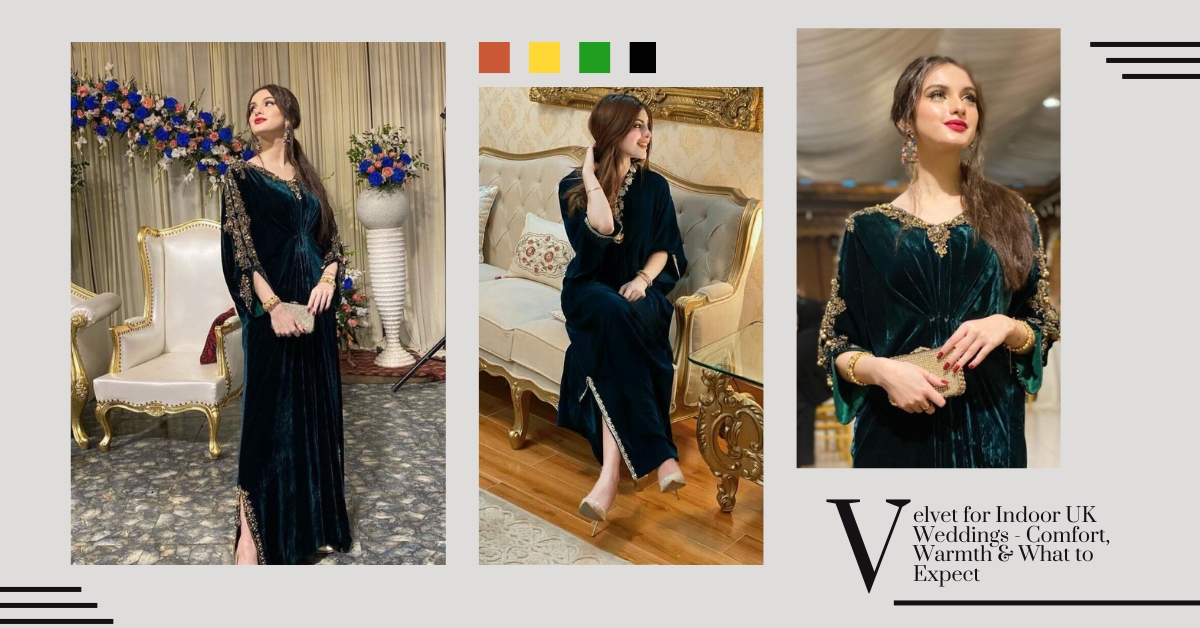
Is Velvet Too Heavy for Indoor UK Weddings? What Brides Actually Need to Know
Many brides hesitate to choose velvet for indoor UK weddings because of one concern: Will it feel too heavy or uncomfortable once inside a heated venue?
This is a valid question, especially for winter weddings where venues are warm indoors but cold outside.
The truth is that velvet itself is not automatically uncomfortable indoors. Comfort depends on the type of velvet, lining, embroidery weight, and venue heating, not just the fabric name. This guide explains when velvet works well indoors, when it may feel too warm, and how brides manage comfort during long wedding events in the UK.
Micro Velvet
Light to medium warmth
Best for:
Heated indoor venues, long wear
Palachi Velvet
High warmth, structured
Best for:
Brides, indoor receptions
Crushed Velvet
VVariable warmth
Best for:
Short, fashion-focused events
Why Brides Worry About Velvet in Indoor UK Venues
UK wedding venues are usually heated, sometimes aggressively so. Combined with long ceremonies, sitting, standing, and movement, this creates uncertainty about heavier fabrics.
Another reason for concern is past experience. Many people associate velvet with thick winter clothing rather than occasion wear, leading to the assumption that velvet will trap too much heat indoors.
There is also confusion caused by online images. Outfits may look comfortable in photos, but without understanding fabric construction, it is difficult to judge how they will feel in real wedding conditions.
What Actually Makes Velvet Feel Heavy Indoors
Velvet comfort indoors is influenced by construction, not appearance. Several factors matter more than the fabric name itself.
Fabric density plays a major role. Heavier velvet types provide more warmth, while lighter velvet options allow better airflow. The wrong density for a heated venue can cause discomfort.
Embroidery weight is another key factor. Dense embroidery adds physical weight and reduces breathability. Even lighter velvet can feel heavy if overloaded with embellishment.
Lining quality directly affects comfort. Breathable linings allow heat to escape, while poor linings trap warmth. Two velvet outfits can feel completely different indoors depending on how they are lined.
Stitching and cut also matter. Fitted designs restrict airflow, while balanced cuts improve comfort during long events.
When Velvet Works Comfortably in Heated Wedding Venues
Velvet works very well in indoor UK weddings when venue conditions are controlled and fabric choices are balanced.
Heated hotel halls and banquet venues are suitable for velvet outfits, especially during evening receptions. In these settings, velvet provides structure and elegance without causing discomfort if the correct velvet type is chosen.
Lighter velvet types and thoughtfully designed outfits allow brides to remain comfortable throughout long ceremonies. Proper lining and moderate embroidery ensure the outfit feels wearable even after several hours.
Velvet is particularly effective indoors for events where the bride remains seated or moves gradually rather than constantly standing or walking.
When Velvet May Feel Too Warm Indoors
Velvet can feel too warm indoors when multiple heat-retaining elements combine.
Highly heated venues with limited ventilation increase discomfort. In such cases, heavier velvet with dense embroidery may trap excess heat.
Tight silhouettes and heavy dupattas layered over velvet can also reduce airflow. This becomes noticeable during long ceremonies or receptions where movement is limited.
Another common issue is choosing velvet designed for outdoor winter use and wearing it exclusively indoors. Without outdoor exposure to balance warmth, this can feel overwhelming.
How Brides Stay Comfortable in Velvet at Indoor Weddings
Brides who wear velvet indoors comfortably make intentional choices, not compromises.
They opt for lighter velvet types rather than the heaviest available option. This maintains the velvet look while improving breathability.
They balance embroidery carefully. Concentrating embellishment on specific areas rather than across the entire outfit reduces weight and heat retention.
Breathable linings are prioritised. A well-lined velvet outfit allows heat to dissipate, preventing discomfort during long wear.
Many brides also choose structured but flexible cuts that allow movement without clinging too tightly to the body.

How Event Duration Affects Velvet Comfort Indoors
Event length is often overlooked when choosing velvet.
For short indoor events, most velvet types remain comfortable. For longer ceremonies and receptions, fabric behaviour becomes more noticeable.
Outfits worn for several hours benefit from lighter velvet, breathable linings, and moderate embroidery. These adjustments prevent fatigue and overheating as the event progresses.
Considering how long the outfit will be worn helps ensure velvet remains comfortable from start to finish.
Velvet Comfort Factors for Indoor UK Weddings
| Factor | Effect on Comfort |
|---|---|
| Venue heating | High impact |
| Velvet weight | Medium to high |
| Embroidery density | High |
| Lining quality | High |
| Event duration | Medium |
Indoor Velvet Comfort Snapshot:
• Venue heating level
• Velvet weight and lining
• Event duration
When these are balanced, velvet remains comfortable even in fully heated UK wedding venues.
How Embroidery Weight Affects Indoor Comfort
Embroidery weight plays a direct role in how velvet feels inside heated wedding venues. Heavier embroidery adds physical weight and reduces airflow across the fabric surface, which can make outfits feel warmer during long indoor events.
When embroidery is dense or spread across large areas, it increases pressure on the velvet base and limits breathability. This is often what causes velvet outfits to feel heavy or restrictive indoors, especially during extended ceremonies.
Balanced embroidery placement and lighter embellishment help maintain comfort without compromising the overall look of the outfit.
- Light embroidery → better airflow and comfort
- Dense embroidery → increased warmth indoors
- Breathable lining → reduces heat retention
Why Velvet Can Feel Uncomfortable Indoors (And How to Avoid It)
Velvet can feel uncomfortable indoors when several heat-retaining factors combine. Highly heated venues, heavy embroidery, and poor lining can all contribute to warmth and fatigue during long events.
Tight silhouettes and layered dupattas can further reduce airflow, making the outfit feel heavier over time. In most cases, discomfort is not caused by velvet itself, but by how the outfit is constructed and worn indoors.
These issues are usually avoidable by balancing velvet weight, embroidery density, and lining quality with venue heating and event duration.
Choose breathable lining for indoor wear
Avoid full-surface heavy embroidery
Balance structure with movement-friendly cuts
Conclusion
Velvet is not automatically too heavy for indoor UK weddings. Comfort depends on velvet type, embroidery weight, lining, and venue conditions rather than the fabric alone.
When chosen thoughtfully, velvet remains comfortable, elegant, and practical for heated indoor venues. Understanding how velvet behaves in real wedding settings allows brides to make confident decisions without unnecessary worry.
Looking for Velvet Outfits That Stay Comfortable Indoors?
Explore velvet styles designed for heated UK wedding venues, with balanced structure and breathable construction.
Is velvet actually too heavy for indoor UK weddings?
+
No. Velvet itself is not automatically heavy indoors. Discomfort usually comes from embroidery weight, lining quality, and venue heating rather than the fabric alone.
Why does velvet feel uncomfortable in heated wedding venues?
+
Velvet can feel warm indoors when heavy embroidery, poor lining, and tight silhouettes combine with strong venue heating.
Which velvet type is most comfortable for indoor UK weddings?
+
Micro velvet and lighter palachi velvet are generally more comfortable indoors, especially in fully heated venues with long ceremonies.
Does embroidery make velvet feel heavier indoors?
+
Yes. Dense or full-surface embroidery adds weight and reduces airflow, which can increase warmth during long indoor events.
How can brides stay comfortable wearing velvet indoors?
+
Choosing breathable lining, balanced embroidery, and flexible cuts helps maintain comfort throughout indoor wedding events.
Is velvet suitable for long indoor wedding events?
+
Yes, if the velvet weight, embroidery density, and lining are matched correctly to the venue and event duration.