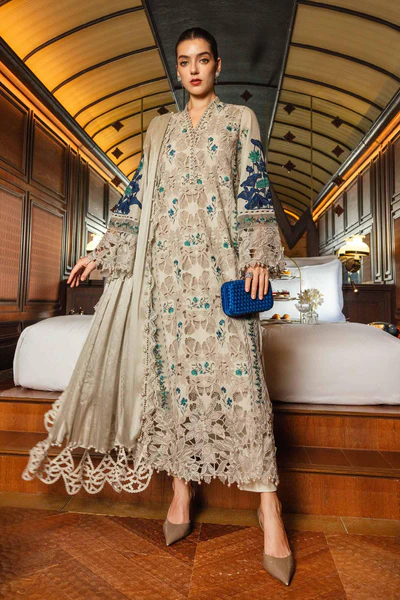
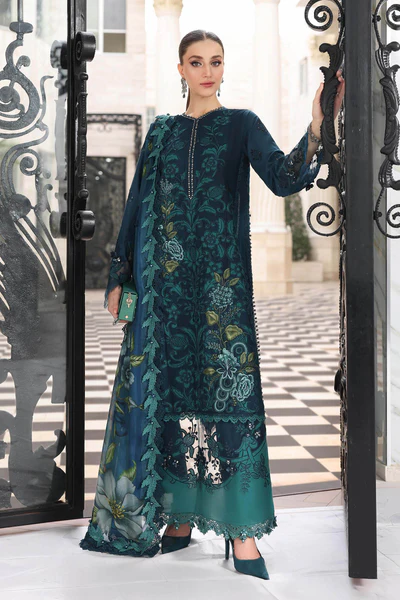
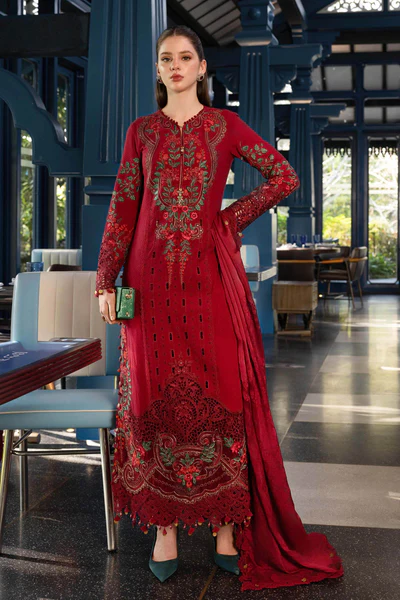
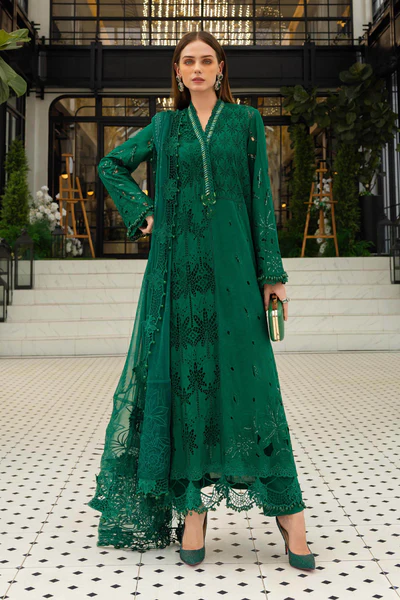
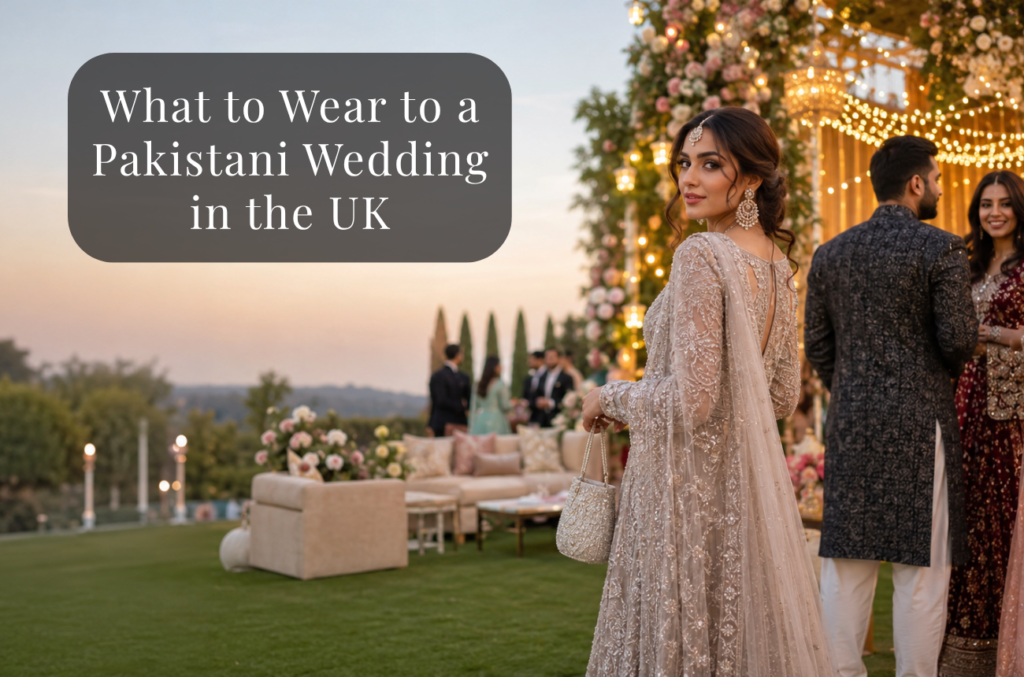
What to Wear to a Pakistani Wedding in the UK

Pakistani dresses for wedding. What to Wear to a Pakistani Wedding in the UK

You have the invitation in your hand, you are genuinely happy for the couple, and then a small panic sets in. What do I actually wear? A Pakistani wedding, or shaadi as you will hear it called, is rarely one party. It is a string of them, each with its own colour, mood and level of dressing up, and as a guest you want to look festive, feel comfortable and fit right in without ever pulling focus from the bride. This guide is styling for men as well as women on the guest list, whether you grew up going to desi weddings or this is your first one. We go function by function, sort out the colour rules everyone worries about, match fabrics to the British weather, and show you where to find Pakistani dresses for a wedding without waiting weeks, even if you are reading this from outside the UK. Pakistani wedding fashion gives guests more colour and freedom than almost any other occasion in the British calendar, which is part of the fun.

Short answer: the best Pakistani dresses for wedding are chosen by the function. Wear bright, happy colours to the mehndi, rich jewel tones to the baraat and soft pastels to the walima. A three-piece salwar kameez, an anarkali or a sharara all work. Choose chiffon, organza or silk in summer and velvet in winter, keep sleeves and hemlines modest, and leave bridal red to the bride.

Did You Know?

A British Pakistani wedding often has 300 or more guests, while a typical UK wedding has around 80 to 90. It is also rarely a single day. Most run across several events over the best part of a week, which is exactly why guests so often need more than one outfit, and why planning ahead pays off.

What to Wear to Each Pakistani Wedding Event. Understand the Dress Code

This is the part that decides almost everything else, so start here. A Pakistani wedding usually runs across several events, sometimes over a week, and each one asks for a different level of dressing up.

What to Wear to a Dholki or Mayun

These are the early, relaxed evenings at home, full of singing and dholki drums, usually among close family and friends rather than the full guest list. Keep it light and pretty rather than heavy. Bright, bold pink, orange, teal, or sunny yellow all work well, and it’s worth avoiding muted or dark tones here; those suit the later, more formal events better. A sharara set is a particularly good choice for a Dholki, the continuous flare from the waist gives you real freedom of movement, which matters when the whole point of the evening is dancing to the dhol.

A co-ord kurta with wide-leg trousers works just as well if you’d rather keep things simpler. A soft lawn or cotton suit in a happy colour is plenty. Save your big outfit for the main days.

What to Wear to a Mehndi

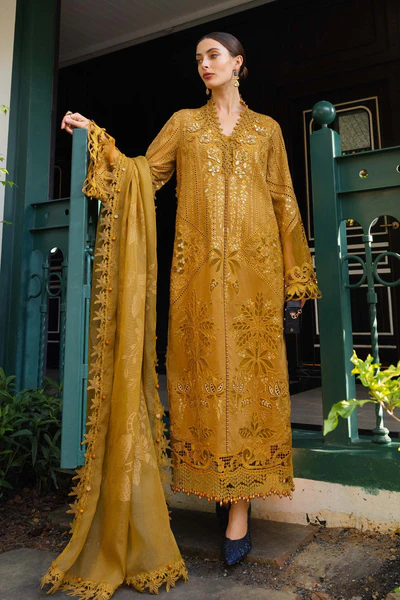
The mehndi is all colour and dancing. Yellows, mustard, greens, oranges, bright pink, and turquoise belong here, and you want fabric you can actually move in.

Yellow carries real meaning at a Mehndi, tied to the turmeric and henna traditions the event is built around, and it’s traditionally the bride’s own colour. Guests can still wear it, most UK Pakistani families are relaxed about this, but if you know the bride is wearing yellow, a complementary shade like mustard, orange, or peach is the more considerate choice.

Fabric matters more here than at almost any other event, and not just for looks. Mehndi involves a lot of sitting on the floor or on cushions during the henna application itself, so stiff silks and anything with sharp mirror work, loose sequins or heavy metal embellishment can genuinely be uncomfortable, and heavy dupattas risk getting stained. Light, gota, and mirror work photograph beautifully under the lights, which matters when half the night ends up on someone’s phone.

Keep jewellery lighter than you would for a Baraat, floral bangles, jhumkas or a simple gajra hairpiece all suit the mood, and hair worn loose or in a relaxed braid fits the informal energy better than an elaborate updo. If you’re not sure how far to go, pick one hero element, a statement dupatta or bold jewellery, not both, and keep everything else simple.

One more thing worth knowing if you’re in the UK: many Mehndis are now held at rented venues rather than at home, which has nudged the dress code up slightly from purely casual. Save your everyday lawn prints for a Dholki, and lean into embroidered or embellished lawn and chiffon for a venue Mehndi.

What to Wear to a Nikkah

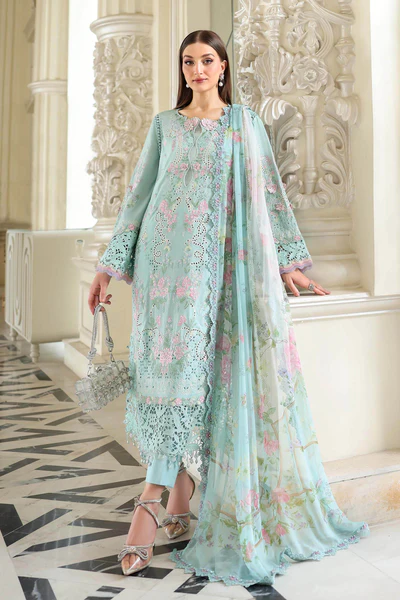
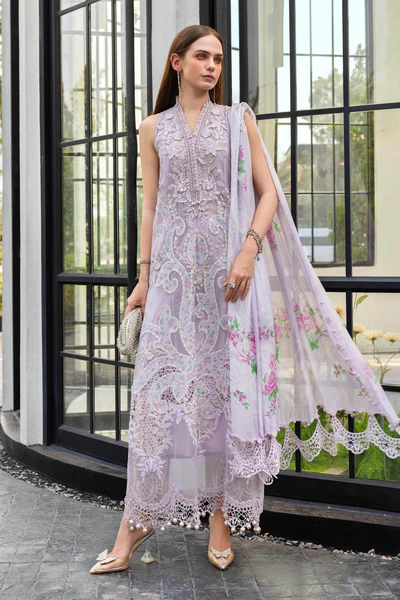
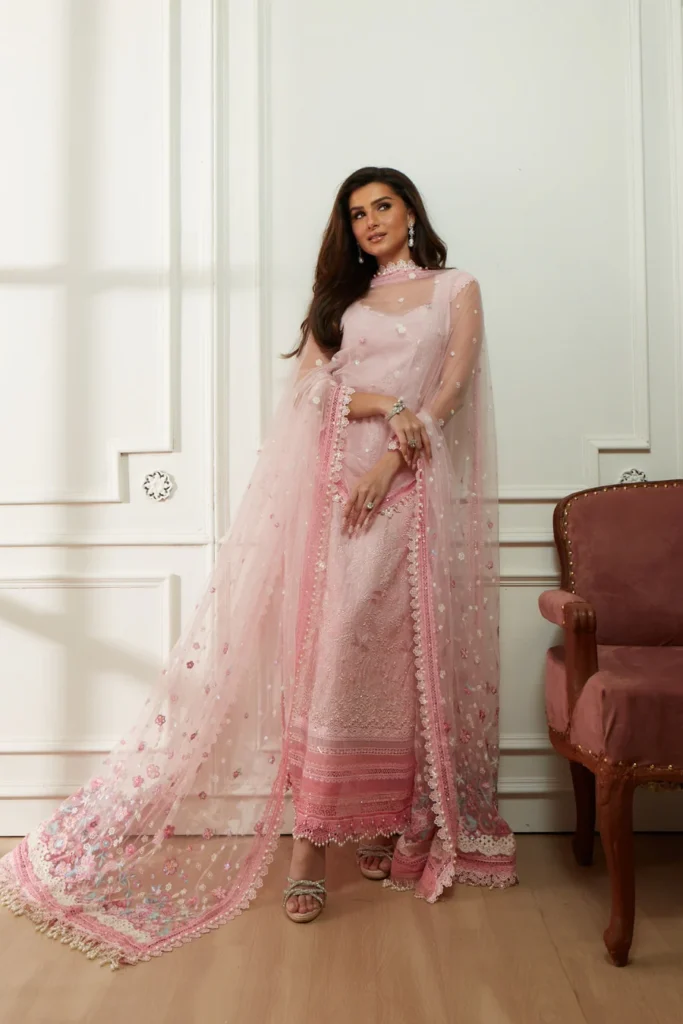
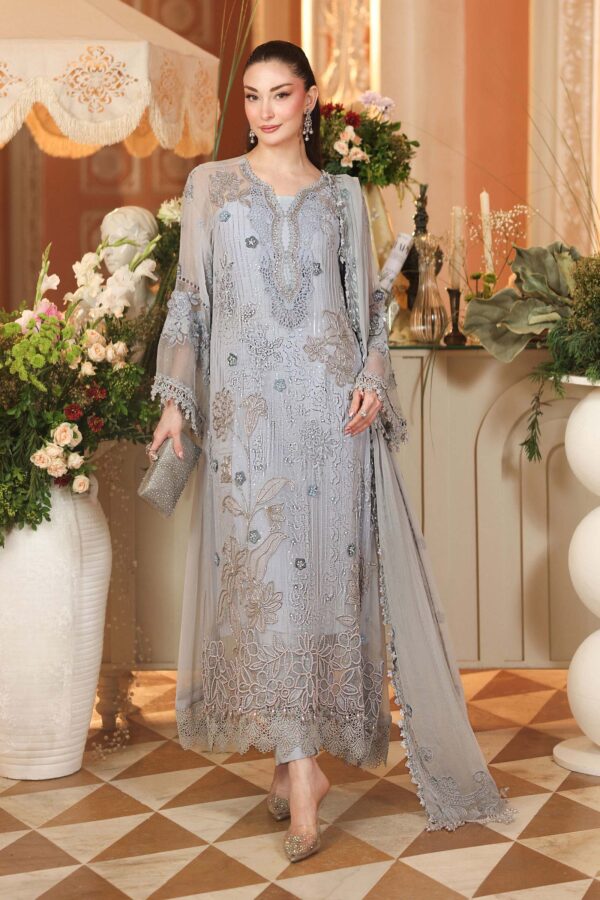
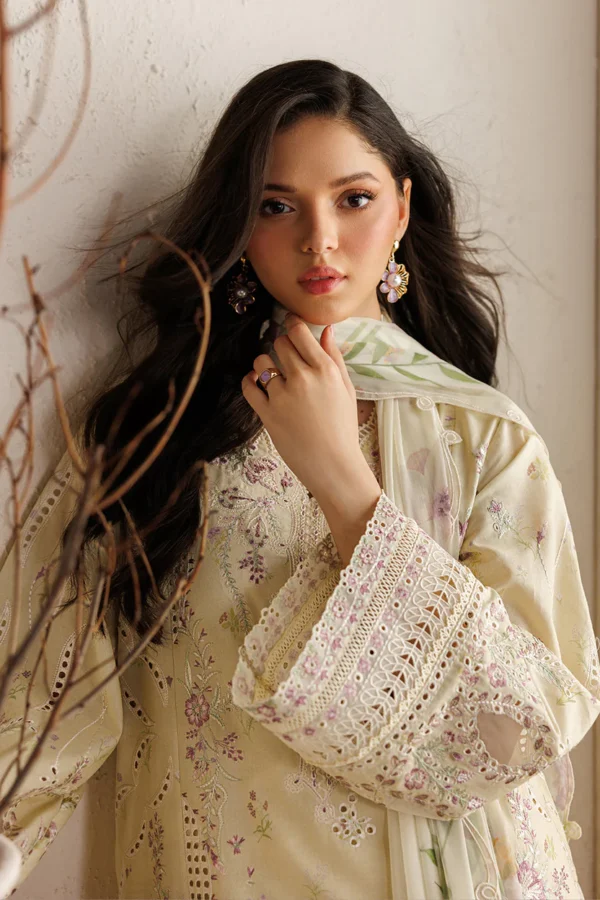
The nikkah is the religious ceremony, so it leans modest and a little softer in colour. Pastel chiffon or organza with neat embroidery suits it, with sleeves and a dupatta you can draw over your head if the moment calls for it.

What to Wear to a Baraat

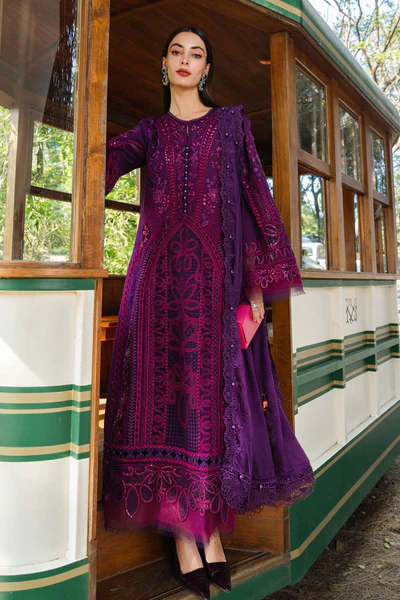
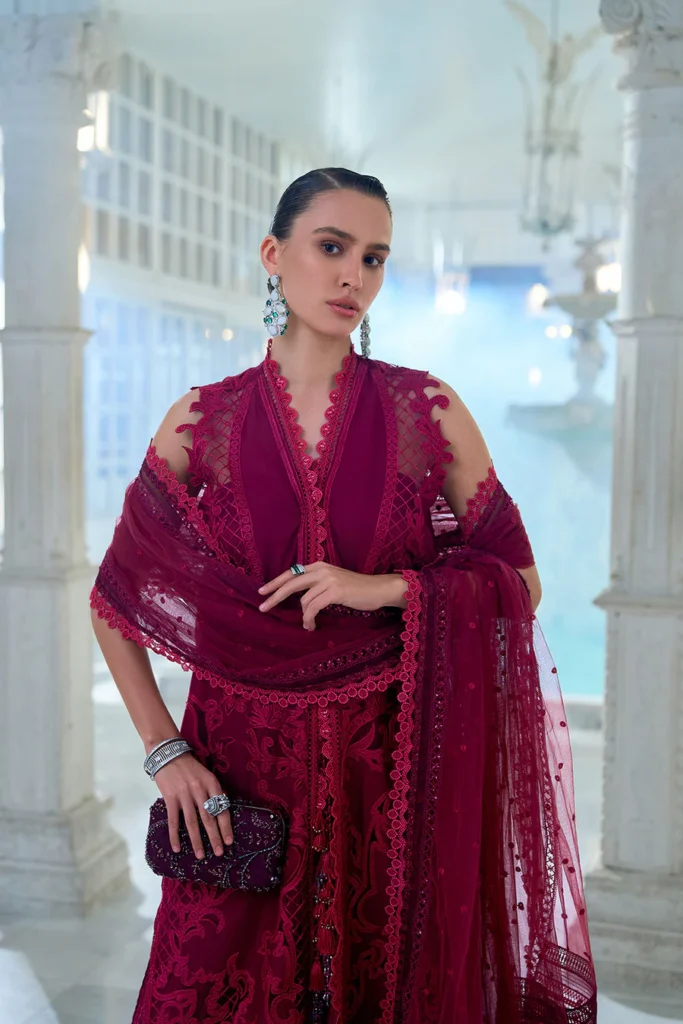
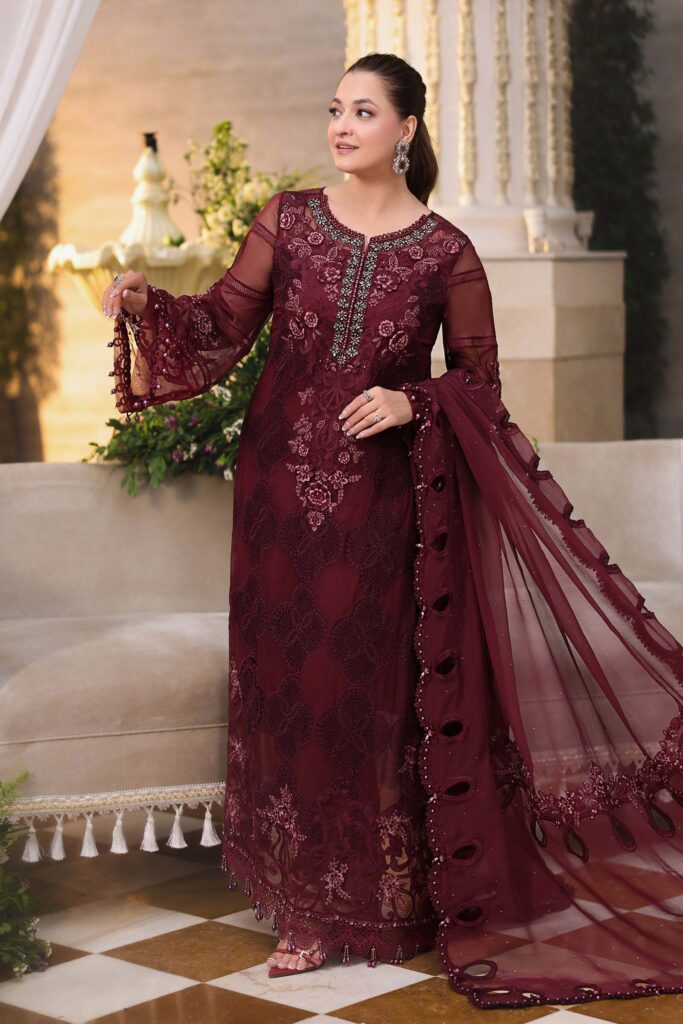
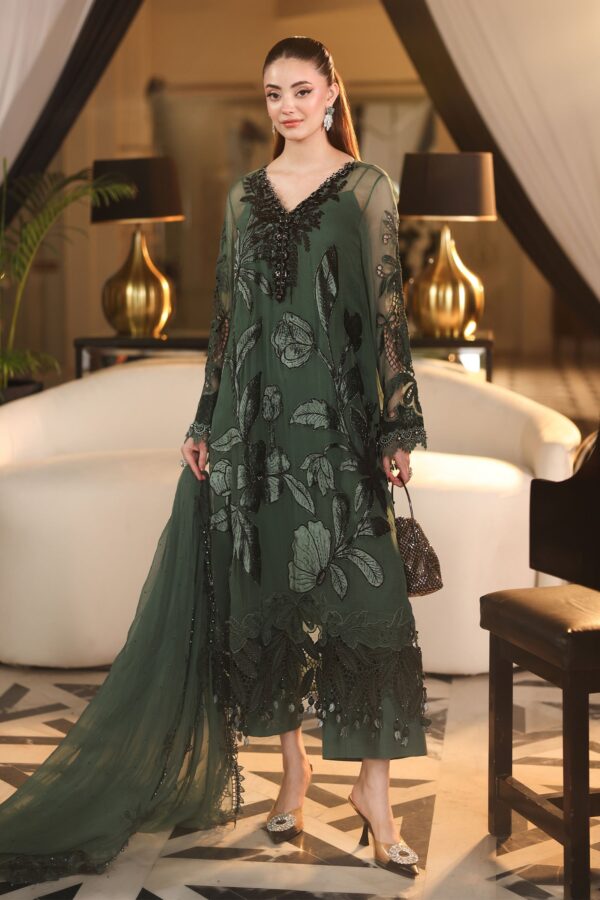
The grand main event, the Pakistani equivalent of a black-tie occasion, and then some. Dress up properly in rich jewel tones such as emerald, royal blue, sapphire, teal, plum, forest green or gold, in raw silk, heavy chiffon, organza or velvet for a winter Baraat, with fuller zari and zardozi embroidery. The one rule most families still hold is leaving deep bridal red and heavy gold to the bride.

On silhouette, a heavily embroidered lehenga photographs most powerfully in group shots, but a full Baraat can run six to eight hours, and a floor-length anarkali is often the more comfortable choice for that long while still looking every bit as formal. A luxury pret suit in a heavy chiffon, silk blend or organza with real embellishment works too, provided the embellishment level genuinely reads as formal.

On jewellery, match the weight to your outfit rather than piling on both, an already heavily embroidered lehenga needs less jewellery than a simpler suit does. And on fabric: this is not the event for lightweight lawn, however pretty the print. In a UK banquet venue, lawn reads as underdressed at a Baraat even in summer, save it for the Dholki and Mayun, and choose chiffon, organza, silk or velvet here instead.

For inspiration on standout looks, see our 5 must-try Pakistani wedding guest dress styles.

What to Wear to a Walima

Pakistani wedding dresses for valima

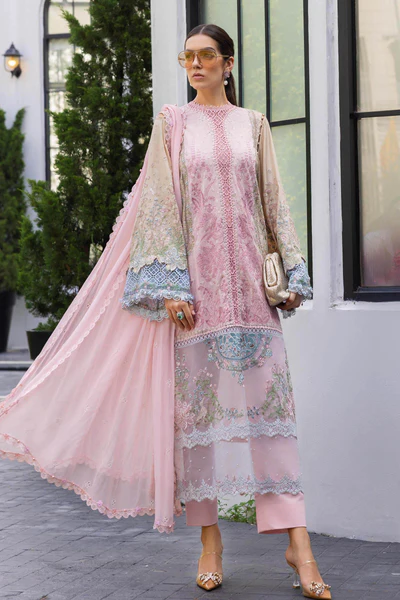
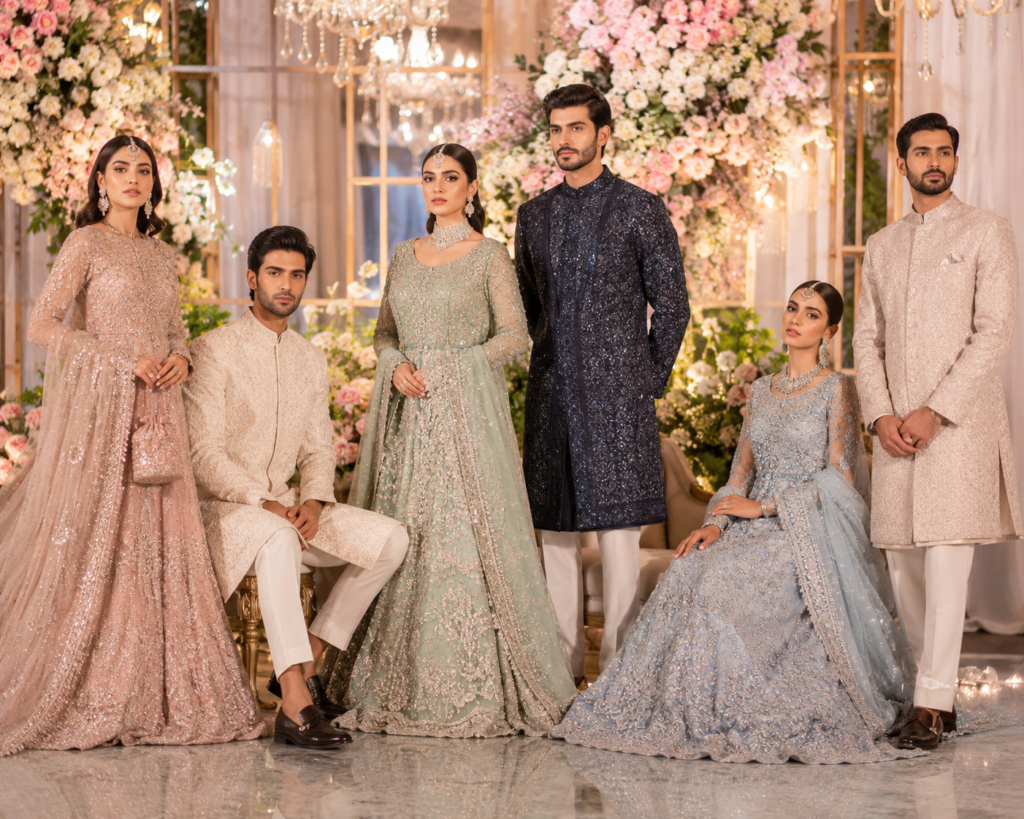
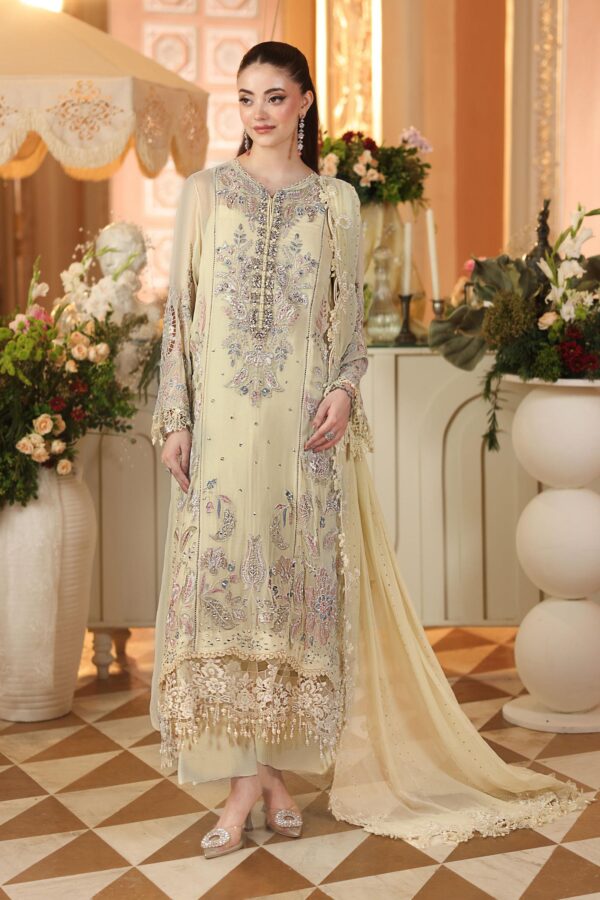
The reception, hosted by the groom’s family and usually the most elegant evening of the week, semi-formal to formal but a step more relaxed than the Baraat. Soft pastels like blush, mint and powder blue work well, and so does a refined darker shade or a metallic like champagne or gold.

Embroidered suits with full sleeves, a light pastel lehenga, an elegant anarkali or a draped gharara set all suit the tone, and 2026’s strongest Walima silhouette is a long embroidered shirt paired with straight trousers or a softly flared sharara. Keep jewellery polished rather than heavy, pearl earrings, a delicate gold set or simple bangles fit the mood better than your full Baraat jewellery box, and rose gold pairs especially well if your outfit is a soft pastel.

This is the night to look put together rather than maximalist, so save the most heavily embellished pieces for the Baraat. If you’d rather not wear traditional dress, the Walima is the easiest event to go fusion. A flowing gown with a South Asian silhouette, or a long kurti with tailored cigarette pants or palazzos, both read as polished and appropriate without needing a full traditional outfit.

What Colours Should a Pakistani Wedding Guest Wear or Avoid?

Colour is where most guests worry, so here is the honest version.

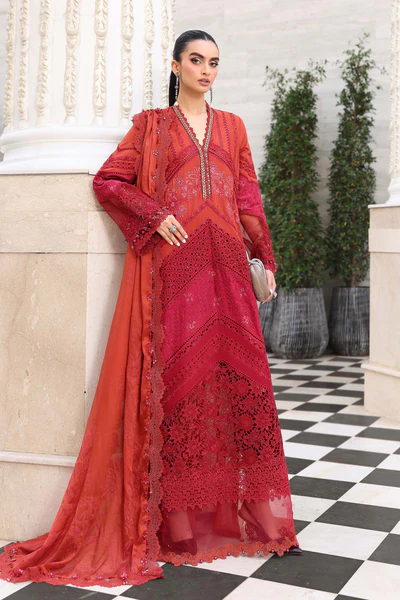
Avoid red.

It’s reserved for the bride, and even a guest-appropriate shade risks the wrong kind of attention next to her outfit. If you love red and want to work it in somewhere, save it for a Mehndi in a brighter, more casual cut rather than the Baraat, where the comparison to the bride’s outfit is most direct. Check out our blog on the cultural significance of the bridal red dress.

Plain white

Plain white was traditionally avoided, since it carries associations with mourning in South Asian culture, but the latest trends are changing, and now it is an emerging trend for Nikkah outfits. Usually, the bride, groom, and immediate family members wear it at the Nikkah event.

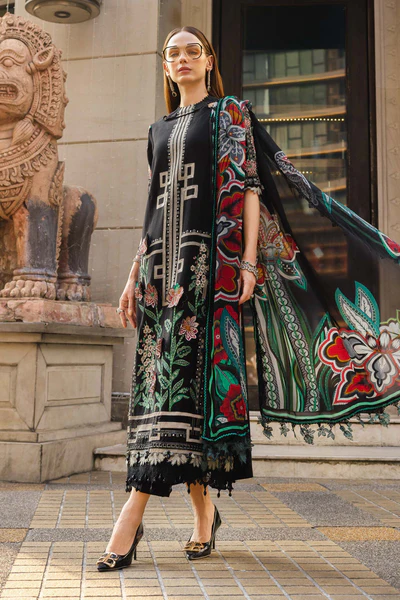
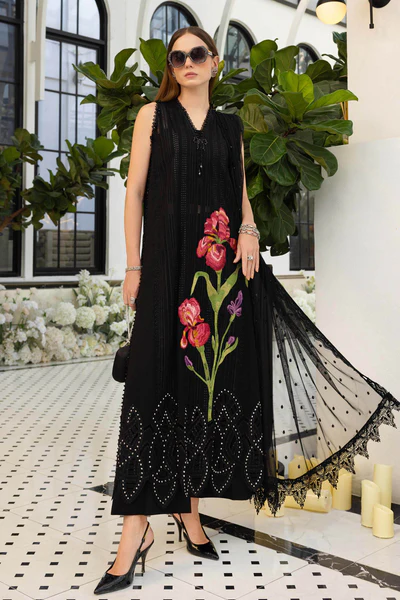
Black 

At modern evening events, a beautifully embellished black outfit is now widely accepted and looks smart. At a traditional or religious function like the Nikkah, it can still feel out of step, so if you love a dark shade there, midnight navy or charcoal with rich embroidery is a safer pick.

When in doubt, jewel tones for the Baraat and pastels for the Walima never go wrong.

What Should Men Wear?

Men follow the same event logic as women, just with fewer fabric decisions to make. A kurta pyjama or a waistcoat over a kurta works for the Dholki, Mehndi and Mayun. The sherwani, worn over a fitted-collar kurta, is the traditional choice for the Baraat, ideally in a jewel tone or with gold detailing to match the formality of the day. For the Walima, a well-fitted suit or a lighter sherwani suits the more Western-influenced tone of the reception. The same colour rule applies across the board: leave red to the day’s central couple, and keep the focus on them.

Best Fabrics for a Pakistani Wedding Outfit in the UK

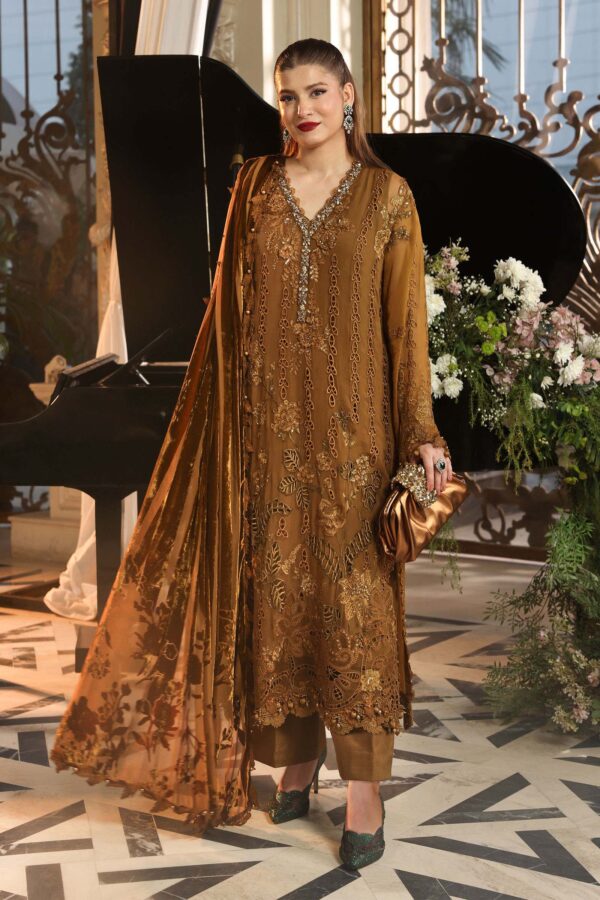
Match the fabric to the season and the venue. For spring and summer weddings, chiffon, organza, silk, raw silk and luxury lawn keep you cool, which helps because UK halls get warm fast once the dancing starts. For autumn and winter, velvet and jacquard feel right and hold embroidery beautifully. Not sure which fabric suits your venue? Our guide to velvet vs chiffon vs karandi for UK wedding venues breaks it down by season and setting.

A couple of British-weather details most guides skip. Winter weddings mean a cold dash from the car to the venue, so carry a smart shawl or wrap you can slip off inside. Marquee and outdoor receptions can be chilly in the evening even in summer, so a dupatta in a slightly heavier fabric earns its place. And comfortable shoes matter more here than anywhere, because you will be standing, dancing and walking across car parks.

One more thing worth knowing: fabric weight signals formality as much as colour does. Very thin, sheer lawn is lovely for a Mehndi but can look underdressed at a formal Baraat or Walima in a UK banquet hall, so save your densest, most embellished chiffon, organza or silk for those two events and keep lighter lawn for the daytime functions.

Pakistani Wedding Fashion: Salwar Kameez, Anarkali and Sharara Styles

There is more than one way to look the part, and the right cut depends on the function and your own taste. A classic three-piece salwar kameez is comfortable and works for any event. An anarkali, with its long flared shape, brings drama to the baraat or walima. A sharara or gharara feels festive and photographs wonderfully at the mehndi. A flowing maxi or fusion gown suits a modern reception.

Then pick the embroidery you love, whether that is delicate resham threadwork, tilla, gota or sheesha mirror work on net, chiffon or organza. If you are unsure which cut to choose, a straight embroidered three-piece salwar kameez is the safest all-rounder across a long day of functions.

Family members and bridesmaids tend to dress up more. Bridesmaids often choose the same design in their own fit so the group looks co-ordinated, and there is more on that in our guide to Pakistani bridesmaid dresses for UK weddings.

What to Wear to a Pakistani Wedding as a Non-Pakistani Guest

If this is your first desi wedding, relax, you are very welcome, and most hosts are delighted when guests wear traditional clothes. A simple embroidered salwar kameez in a festive colour is a warm, respectful choice. If you would rather stay closer to Western dress, a modest maxi or a tunic-and-trouser set in a happy colour works nicely, and borrowing a dupatta is an easy way to feel part of it. Avoid bridal red and plain white, dress on the modest side, and you cannot go far wrong.

How to Dress for Several Pakistani Wedding Events Without Overspending

Here is the thing nobody warns you about: if you are close to the family, you might be at the dholki, the mehndi, the baraat and the walima, and you cannot wear the same thing to all four. You also do not need four brand-new head-to-toe looks. Put your money into one standout piece for the baraat or walima, keep the mehndi and daytime functions lighter and more affordable, and restyle with different dupattas, jewellery and shoes so each outfit feels new. A couple of well-chosen unstitched pieces stretch a long way.

Where to Buy Pakistani Dresses for Wedding in the UK and Worldwide

We are based in the UK, but you do not have to be. Ordering authentic Pakistani designer wear used to mean asking relatives in Lahore and waiting weeks, with customs charges and colours that did not match the photos. We hold original designer pieces and ship worldwide, so guests from London, Birmingham and Manchester to Dubai, Sydney and Toronto can buy the same authentic Pakistani dresses for  wedding and have them in good time. Wherever you are, browse our Pakistani wedding guest dresses in chiffon, organza, and luxury lawn from designers like Maria B, Sobia Nazir, and Baroque, or the wider formal collection for the dressier functions. Just remember to add shipping time to your tailoring countdown.

Final Thoughts on What to Wear to a Pakistani Wedding

Pakistani weddings are among the most generous, colourful occasions in the British calendar, and getting dressed for one should feel exciting rather than stressful. The framework is simple: match the outfit to the function, let the bride own her red and gold, choose your fabric by season and formality, and order early enough to give your tailor room to work. Whether you are a lifelong desi wedding veteran or attending your very first shaadi, the same principle holds: dress with care, lean into colour, and you will always look exactly right.

When you are ready to shop, every piece in our collection is sourced directly from Pakistan’s top designers and shipped worldwide, so the outfit you order in London, Birmingham, Toronto or Sydney is the same authentic piece you would find in Lahore. Browse by event, fabric or shade, order unstitched, and hand it to your tailor with time to spare.

FAQs

Can I wear a black dress to a Pakistani wedding?

Yes, at modern evening events an embellished black outfit looks smart and is widely accepted. At a traditional or religious function like the nikkah, midnight navy or charcoal with rich embroidery is a safer choice.

Yes. A saree works well for the Walima or Baraat, especially in chiffon or silk, and a modest Western dress or fusion gown is perfectly acceptable, particularly for guests who are not from a Pakistani background or who simply prefer it. The main things to keep in mind are colour, avoiding red and plain white, and dressing on the more modest side.

Yes Zee Collections is UK based but ship worldwide, including across Europe, the USA, the UAE, Australia, Canada, and North America, so you can buy authentic designer outfits wherever the wedding is. Guests ordering from outside the UK should factor in shipping time on top of tailoring time when ordering unstitched pieces, so the outfit arrives with room to spare before the wedding.

Order 2-3 weeks ahead if you can, since our pieces are unstitched and a tailor needs one to two weeks. If you are ordering from abroad, add delivery time on top.

Leave a Reply

Your email address will not be published. Required fields are marked *